Blog
26.7.2026

Dissolving Fillers – Facts, Myths, and Why Fillers Last Differently for Everyone

Hyaluronic acid fillers in the lips or other parts of the face are more popular than ever. Yet there are still many questions about how fillers behave in the body. Why does the filler last longer in some people than in others? Does old filler always have to be dissolved first before you can undergo another treatment? And is hyaluronidase actually safe? In this blog, we’ll explain exactly how it works. We’ll discuss the facts and myths about dissolving fillers and explain why the duration of their effects can vary so greatly from person to person.
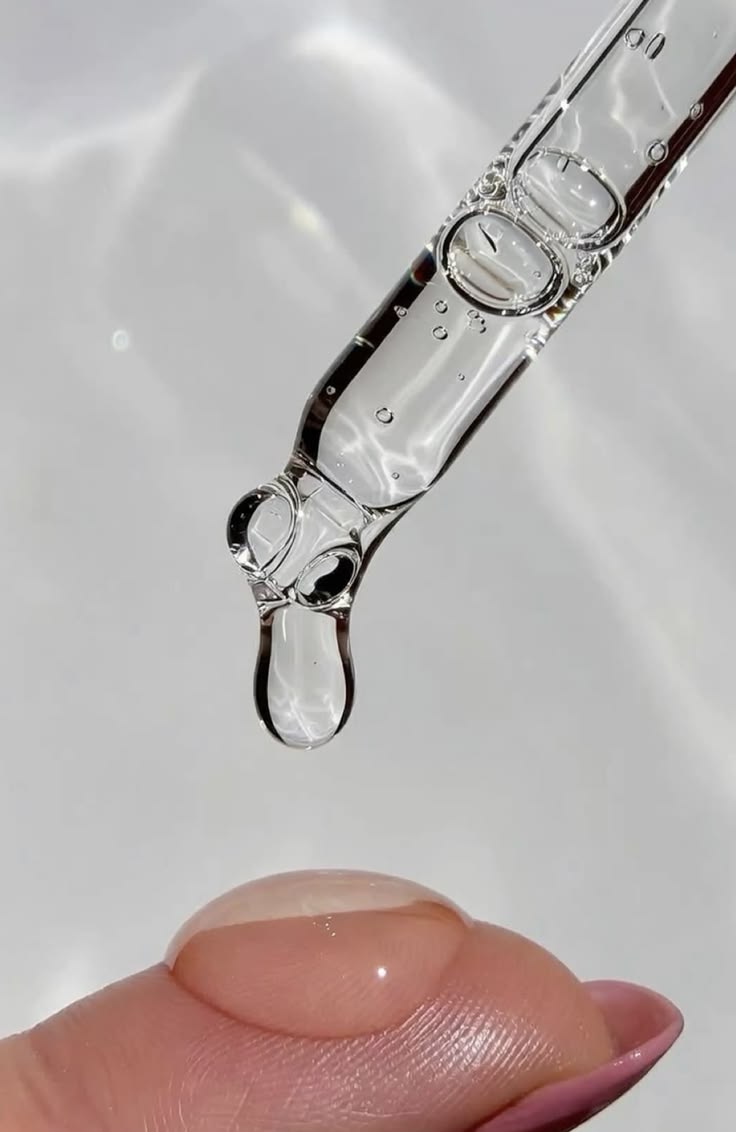
How are fillers broken down? 

There are two ways in which hyaluronic acid fillers are absorbed: gradually by the body itself, or more quickly with the help of hyaluronidase. 


  1. Gradual Breakdown by the Body
    Hyaluronic acid is a substance produced naturally by the body. Therefore, the body can gradually break down a hyaluronic acid filler on its own. This is a natural process that takes place over several months, allowing the filler’s effects to remain visible during that time. During this process, the hyaluronic acid molecules are broken down into small biological components, which are then naturally eliminated by the body.
  2. Accelerated Breakdown with Hyaluronidase
    Another way to break down a hyaluronic acid filler is with hyaluronidase. This is an enzyme that breaks hyaluronic acid down into small pieces, causing the filler to break down quickly. Since virtually all fillers today are made of hyaluronic acid, hyaluronidase can be used to break them down. Hyaluronidase begins to work almost immediately. Most of the filler is usually broken down within 24 to 48 hours. Depending on how much filler needs to be dissolved, multiple sessions may be required to completely remove the filler.

    This agent has been used safely for decades in various medical specialties, including ophthalmology, plastic surgery, and cosmetic medicine. In cosmetic medicine, it is an important tool, both for treating complications and when someone wishes to have a filler removed for cosmetic reasons.

When is it necessary to dissolve fillers?

  1. In the event of a complication
    The most important medical indication for the use of hyaluronidase is vascular obstruction caused by a filler. If a filler unexpectedly enters or comes into contact with a blood vessel, blood flow to the skin may be reduced. In that case, the filler must be dissolved as quickly as possible to restore blood flow. Fortunately, this is a very rare complication. Every experienced cosmetic physician has hyaluronidase on hand and knows how to act quickly and safely in such a situation.
  2. If you are dissatisfied with the cosmetic results: 
    Sometimes someone isn't satisfied with the result. For example, because:
    • There are visible bumps;
    • The filler has started to migrate;
    • There is asymmetry;
    • The filler simply doesn't meet the client's needs.

In these cases, you may choose to dissolve the filler completely or partially. 

When is it actually not necessary to solve a problem?

Fillers do not always need to be completely dissolved before a new treatment can be performed. In fact, if the filler is still nicely in place, it can often be safely touched up without first dissolving it.

Routinely dissolving old filler before a new treatment is usually unnecessary, and experienced doctors actually avoid doing so as much as possible. Unnecessary dissolution also means that part of the filler that is still in good condition is removed, even though this isn’t necessary.

Are you unsure whether the existing filler is still in the right place? Your treating physician can assess this during a consultation and work with you to determine the best course of treatment.


Is hyaluronidase safe?

Yes, when hyaluronidase is used by an experienced physician for the appropriate indication, it is a safe treatment. 

As with any medical treatment, there are potential side effects, such as:

  • Temporary swelling;
  • Redness;
  • A bruise;
  • In rare cases, an allergic reaction.

To rule out an allergy, a small test injection may be administered on the arm during the first treatment with hyaluronidase. In this procedure, a small amount of hyaluronidase is injected superficially into the skin to assess whether an abnormal reaction occurs. 

Does hyaluronidase break down natural hyaluronic acid? 

Because hyaluronidase breaks down hyaluronic acid, it is sometimes believed that all the natural hyaluronic acid in the skin is permanently lost. 

Fortunately, that is not true. The enzyme has only a temporary effect. The body then produces new natural hyaluronic acid on its own. There is no evidence that hyaluronidase causes permanent damage to the skin when used correctly.

Of course, it is important to use appropriate dosages and avoid using unnecessarily large amounts. 
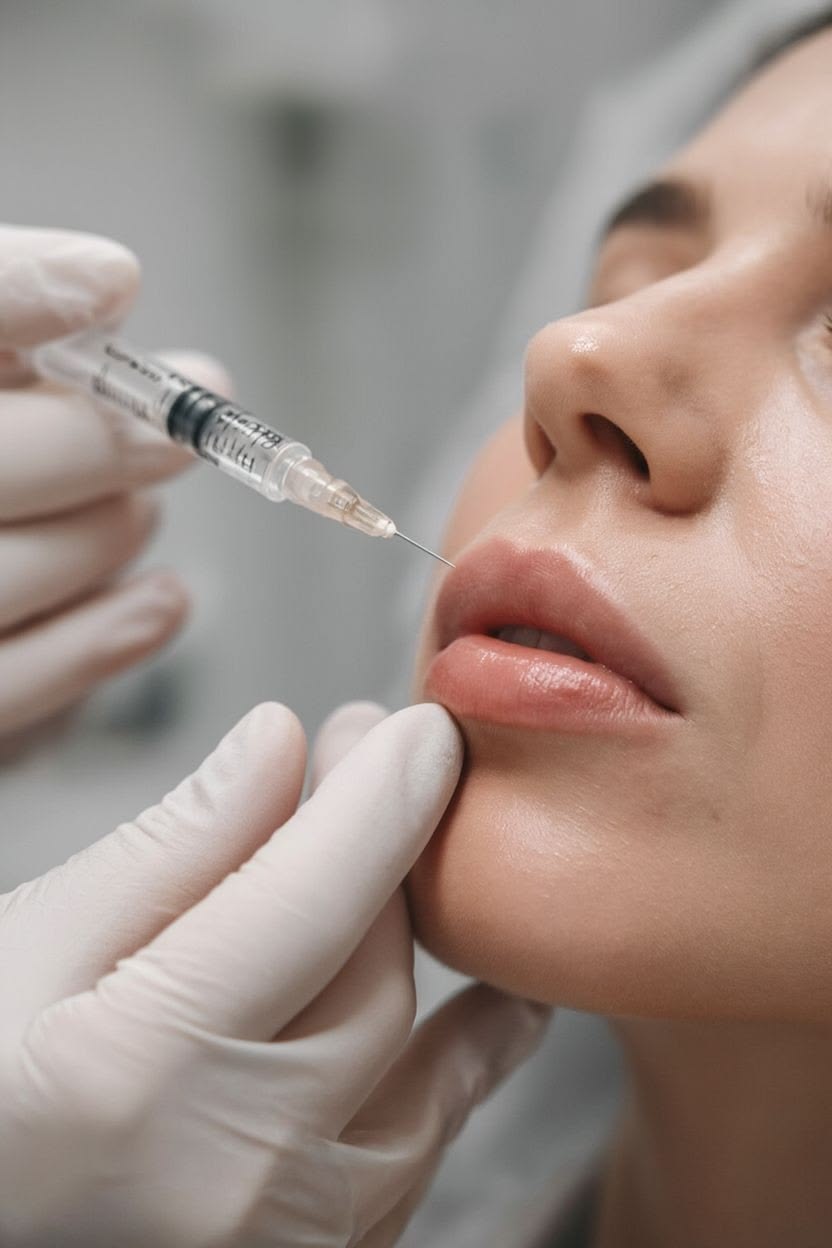
Why does filler last much longer for some people than for others?

This is one of the most frequently asked questions about fillers. The duration of the effects of fillers is influenced by several factors:


  1. Metabolism:
    Everyone breaks down hyaluronic acid at a different rate. Biological differences and individual metabolism mean that some people break down fillers faster than others. Certain medications that affect metabolism can therefore also influence this process. 

  2. The type of filler:
    Not all fillers are the same. Some fillers are softer and more pliable, while others are firmer and retain their shape longer.
    For the lips, for example, a soft filler is deliberately chosen because it moves naturally with the lip’s natural movement. As a result, it breaks down slightly faster on average than firmer fillers used, for example, in the cheekbones.

  3. Mobility of the treated area:
    The lips are among the most mobile parts of the face. Talking, laughing, eating, drinking, and kissing result in thousands of movements every day. As a result, lip fillers generally break down faster than fillers in less mobile areas, such as the tear trough.

  4. Previous treatments:
    In the case of follow-up treatments, a small amount of filler often remains. As a result, the results of follow-up treatments may last longer than those of the initial treatment. 

On average, a hyaluronic acid filler lasts about 9 to 12 months. However, this is only an average. Some people notice that the volume starts to decrease after 6 months, while for others, the filler is still clearly visible after more than a year. Both situations are completely normal. That’s why our doctors don’t just look at the number of months since your last treatment, but focus primarily on how the filler behaves on your face and what best suits your needs. 

Conclusion

Hyaluronidase is a safe dissolving agent when used properly. It’s also important to know that the duration of the effects of fillers can vary from person to person. Factors such as metabolism, the type of filler, the mobility of the treated area, and previous treatments all play a role.

A personalized treatment plan is therefore always more important than a fixed guideline. At JECT, our cosmetic doctors assess each situation individually, so that together we can choose the treatment that best suits your face and your treatment goals. 

Discover more articles